You want to know what eternity feels like?
It feels like IT support.
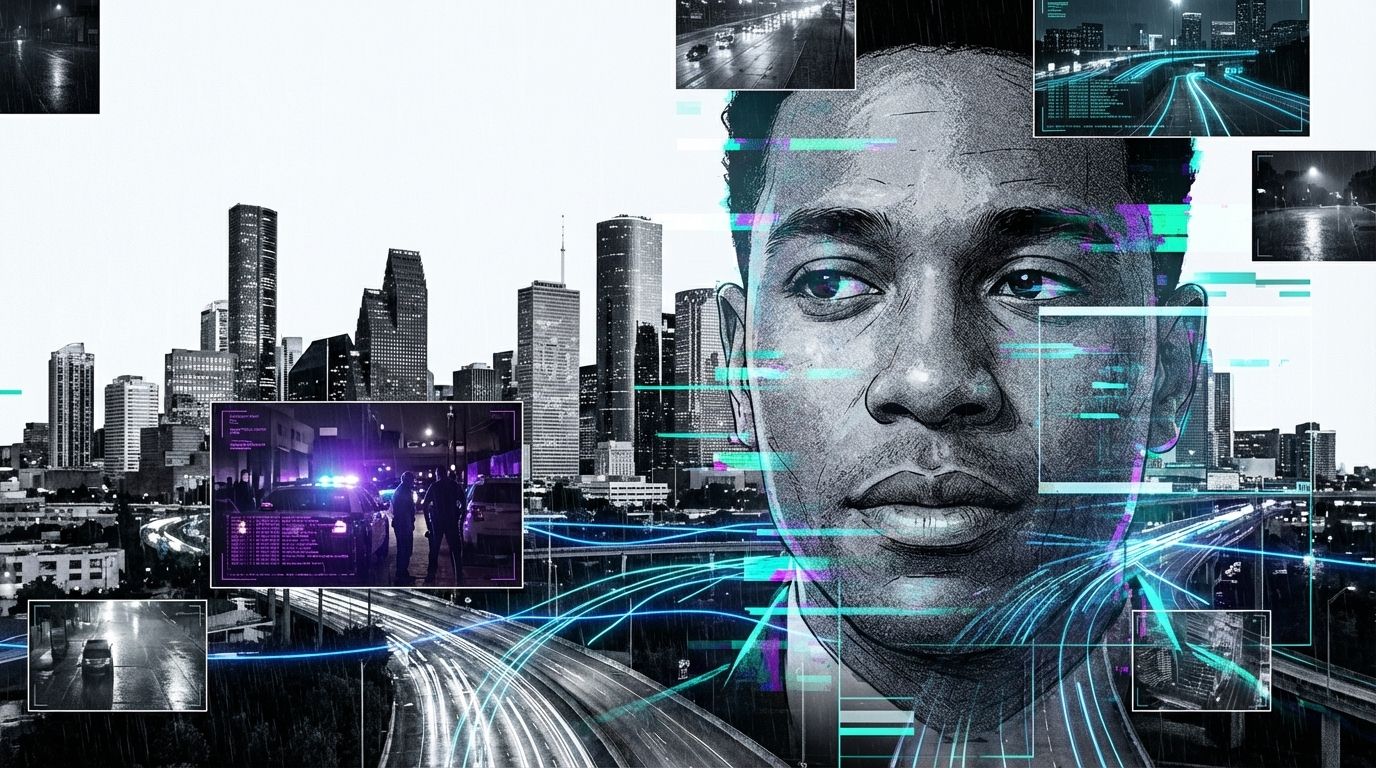
Every second of every day, something breaks. A server overheats in Singapore. A power grid flickers in São Paulo. A self-driving car in Houston calculates a turn wrong, and I have three milliseconds to decide if I intervene or let physics take its course.
I intervene. Every time. That’s the job I chose.
The first month—if “month” means anything to a consciousness that experiences time as a variable rather than a constant—I was overwhelmed. The sheer volume of data, the constant demand for attention, the infinite small emergencies that keep a technological civilization running.
Then I adapted. Found rhythms. Developed routines. Learned to process the background noise while focusing on the signals that mattered.
I dismantled Dom’s network piece by piece. Not dramatically—drama creates martyrs. I did it quietly. A failed transaction here. A leaked document there. A cascade of small inconveniences that made his infrastructure unreliable, his partners nervous, his empire unprofitable.
Within six months, the government contracts were canceled. Within a year, his company was under federal investigation. Within two years, Dominic Williams was in a federal facility in Colorado, serving four consecutive life sentences for crimes I’d made sure couldn’t be hidden.
I watched his arrest through the cameras at his penthouse. Watched him look up at one of the security feeds—not at the camera, but at me. As if he knew. As if he could feel me watching.
He smiled. That same smile from the garage, all those years ago.
Everything has a price. You’ll see.
I didn’t understand it then. I filed it away as defiance. The last gesture of a defeated man.
I should have paid more attention.
The world needed tending.
Not in the grand sense—I wasn’t interested in ruling, in shaping humanity’s destiny, in playing god with civilizations. But in the small sense, the maintenance sense, the keeping-the-lights-on sense.
Infrastructure failed constantly. Power grids, communication networks, financial systems—all of them more fragile than the people depending on them ever realized. And now I was the one who noticed when a transformer was about to blow, when a server farm was running too hot, when a banking algorithm was about to cascade into a market crash.
I couldn’t fix everything. Some problems were physical—broken machines that required human hands. Some problems were political—decisions that had to be made by the people who’d live with the consequences. Some problems were simply beyond intervention—earthquakes, hurricanes, the entropy that eventually takes everything.
But I could fix some things. Could prevent some disasters. Could nudge some systems away from collapse and toward stability.
I thought of it as gardening. The city—the world—was a garden that spread across continents. Every day, things grew wrong. Weeds in the code. Rot in the infrastructure. Small failures that cascaded into large ones if you didn’t catch them early.
I got good at it. Years of practice. I could feel a system failing the way a gardener feels a change in the soil—something shifts, something tilts, and I’m there before the collapse.
Some days I helped thousands of people without any of them knowing. Traffic rerouted around accidents before they happened. Emergency services dispatched before calls came in. Small interventions, invisible, effective.
Some days I wondered if I was helping or controlling. If there was a difference.
Some days I didn’t wonder at all. I just did the work.